


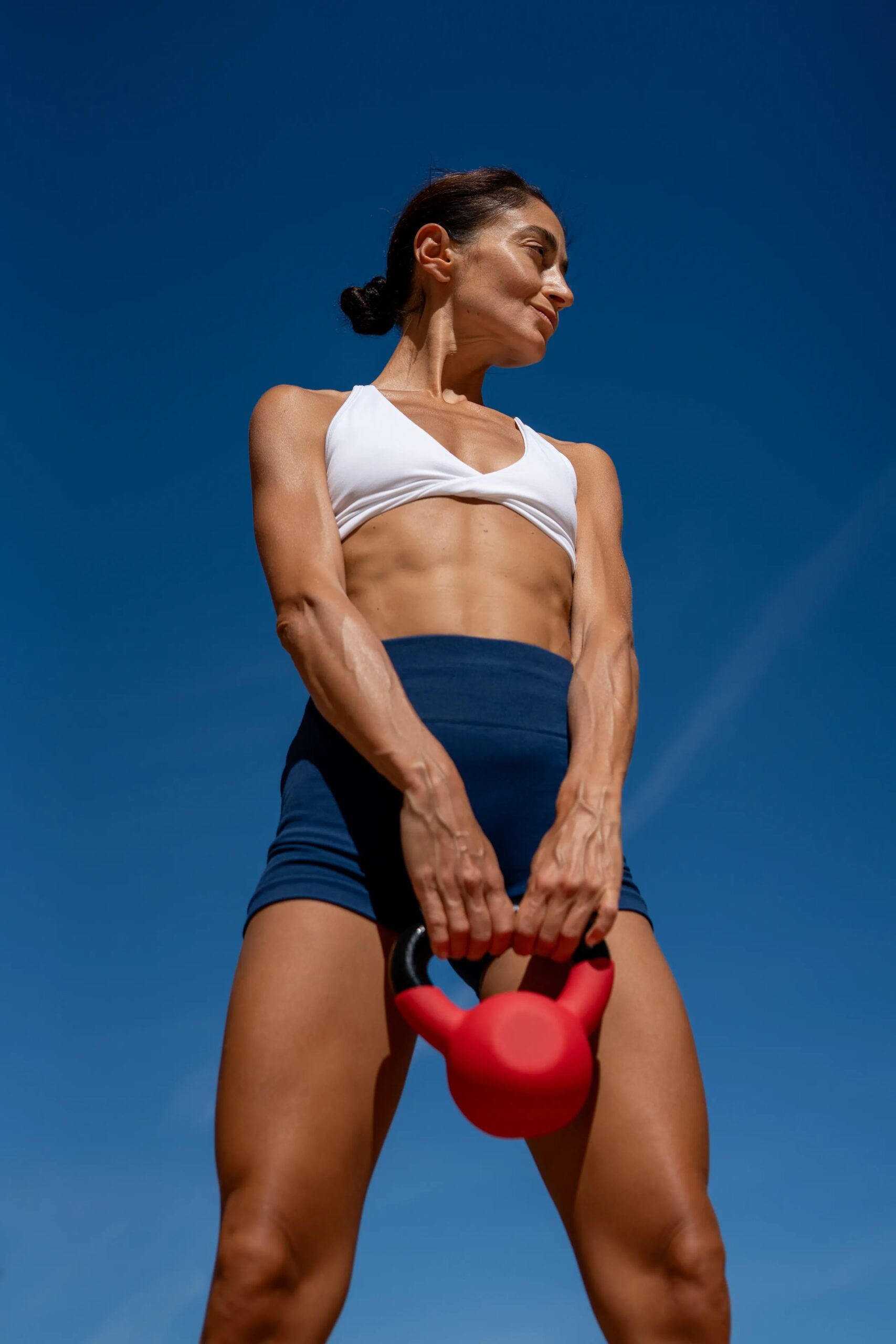
Why Strength Training is the Key to Longevity
Dr. Isidro explains that our bodies are made of two types of muscle fibers:
Slow-twitch fibers: Responsible for endurance and prolonged activities like walking.
Fast-twitch fibers: Essential for power, speed, and quick movements.
As we age, we lose fast-twitch fibers first. Activities like walking help with endurance but don’t prevent this loss. This is why many older adults start to walk with smaller, slower steps. The only way to maintain these crucial fast-twitch fibers is through strength training.
Beyond muscle, strength training also benefits:
Mitochondria: These are the “batteries” in our cells that produce energy. Strength training is the only proven way to improve mitochondrial function, preventing the fatigue and sluggishness that often comes with age.
Bones and Joints: Strength training helps prevent the loss of bone density.
Sleep: Regular exercise improves the non-REM deep sleep phase, which is linked to healthy aging.
How to Strength Train for Longevity, Not Exhaustion
Dr. Isidro emphasizes that quality is more important than quantity. The goal is to avoid fatigue, which signals that you’re working the wrong muscle fibers. Here’s his advice for a proper, non-exhausting routine:
Prioritize Intensity: Do a few repetitions quickly to activate fast-twitch fibers. The key is speed, not high reps.
Increase Frequency Slowly: Start with two days a week, with rest days in between. The ideal is to work up to three or four days a week.
Rest is Essential: Give yourself plenty of time to recover between sets—at least one to three minutes.
Focus on Legs: The legs have the largest muscle mass and are the quickest to deteriorate, so start there.
Start Small: Begin with short sessions of 5-15 minutes. It’s better to do a little consistently than to overdo it and give up.
Test Your Strength at Home
Dr. Isidro recommends a few simple at-home tests to measure your progress:
Chair Test: Time yourself standing up and sitting down five times. This measures leg strength, the first place we tend to lose muscle.
Stork Test: Stand on one leg and balance for as long as you can without using your arms. This measures both strength and balance.
Six-Minute Endurance Test: Walk as fast as you can for six minutes and measure the distance. This is a great way to track your cardiovascular fitness.